A clogged filter, restricted duct, blower issue, or control problem can reduce the air reaching individual rooms.
HEATING • COOLING • AIRFLOW
Reliable Comfort Begins With the Right HVAC Care
When your home feels too warm, too cold, or uneven from room to room, the cause may involve more than one component. We inspect the full system, explain what we find, and help you choose the right next step.

Cooling
Restore dependable cooling with careful checks of equipment, airflow, controls, and temperature performance.
Heating
Keep heating equipment operating safely with practical diagnosis and service for furnaces, heat pumps, and controls.
Airflow
Improve comfort from room to room by checking filters, ductwork, registers, and return-air paths.
Maintenance
Plan ahead with routine inspection, cleaning, testing, and attention to the parts that affect performance.
SYSTEM SIGNS
Notice the Signs Before Comfort Gets Worse
Your system often gives you clues before a small concern becomes a larger repair. Changes in airflow, temperature, sound, cycling, or moisture are useful details to note when you contact a technician.
Room-to-room temperature differences may point to airflow balance, ductwork, insulation, controls, or equipment operation.
New rattling, buzzing, or squealing sounds can be connected to loose parts, blower concerns, electrical components, or wear.
Water near indoor cooling equipment may be related to a blocked drain, condensate issue, or another system condition.
Short, repeated cycles can involve thermostat settings, airflow restrictions, system sizing, controls, or equipment condition.
SERVICES
Practical HVAC Service for the Whole Home
Main Service
Air Conditioning Service
Our cooling service looks at how the system is actually performing, including airflow, temperature differences, electrical components, coils, drainage, and refrigerant-related conditions.
Discuss your systemAC Repair
Diagnosis of cooling problems and inspection of related components.
Furnace Service
Inspection and service of heating equipment and operating components.
Heat Pump Service
Assessment of heating and cooling operation, airflow, controls, and system components.
Ductwork & Airflow
Inspection of airflow distribution, accessible ductwork, registers, and return-air paths.
Thermostat & Controls
Checking thermostat operation and system control behavior.
Indoor Airflow
Filter, blower, return-air, and distribution-related checks.
SYSTEM ANATOMY
Understand What Keeps Your Home Comfortable
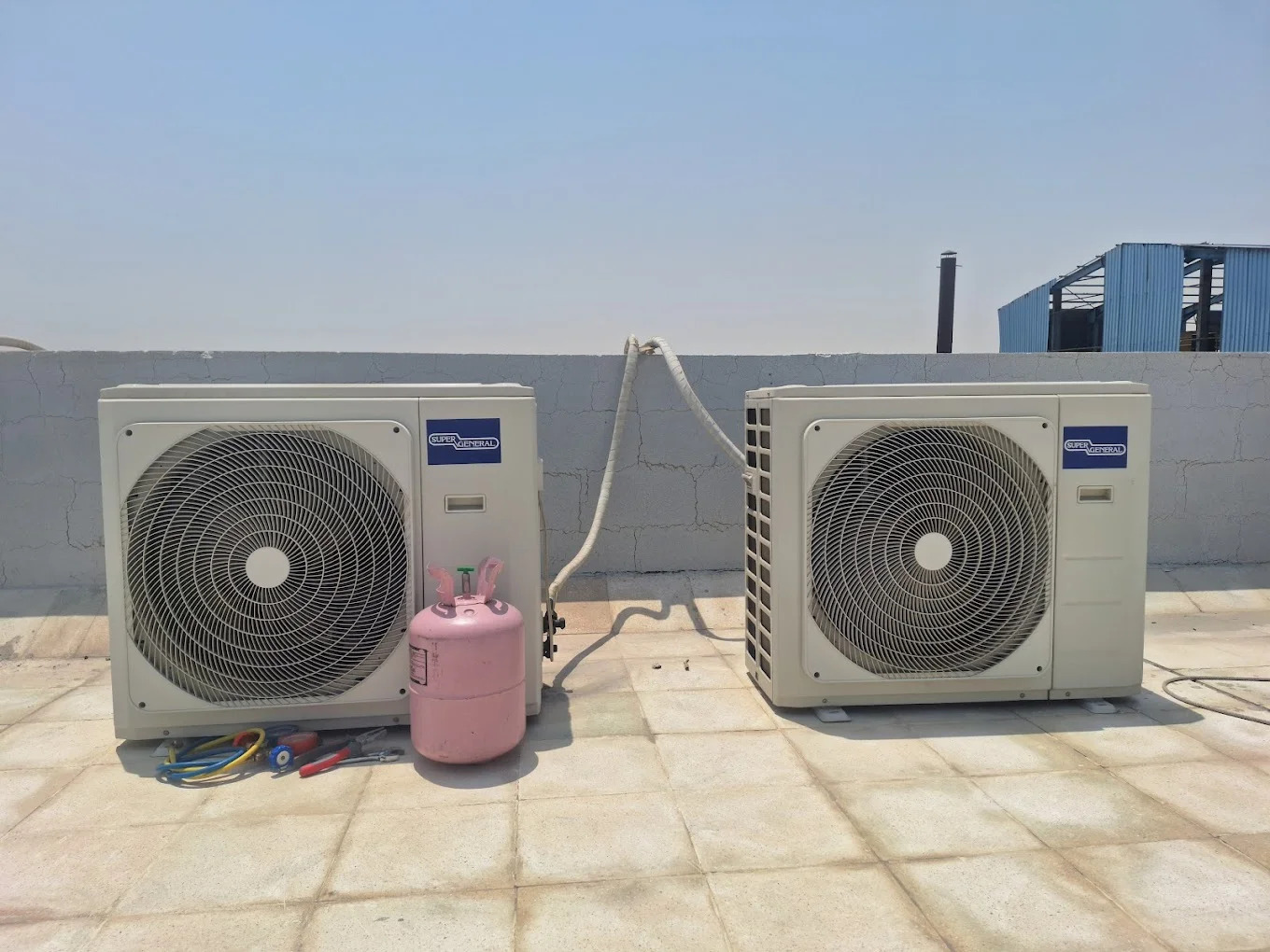
Your HVAC system is a connected network of equipment, controls, and air paths. Each part plays a role in delivering steady indoor comfort.
-
01
Thermostat
Controls the requested indoor temperature and communicates with the HVAC system.
-
02
Air Filter
Helps capture airborne particles before air moves through the system.
-
03
Indoor Coil
A key component in the cooling process of many split systems.
-
04
Blower
Moves conditioned air through the home's air distribution system.
-
05
Outdoor Unit
Contains major components involved in releasing heat during cooling operation.
-
06
Ductwork
Carries conditioned air between the HVAC equipment and occupied rooms.
REPAIR PROCESS
A Clear Path From Diagnosis to Service
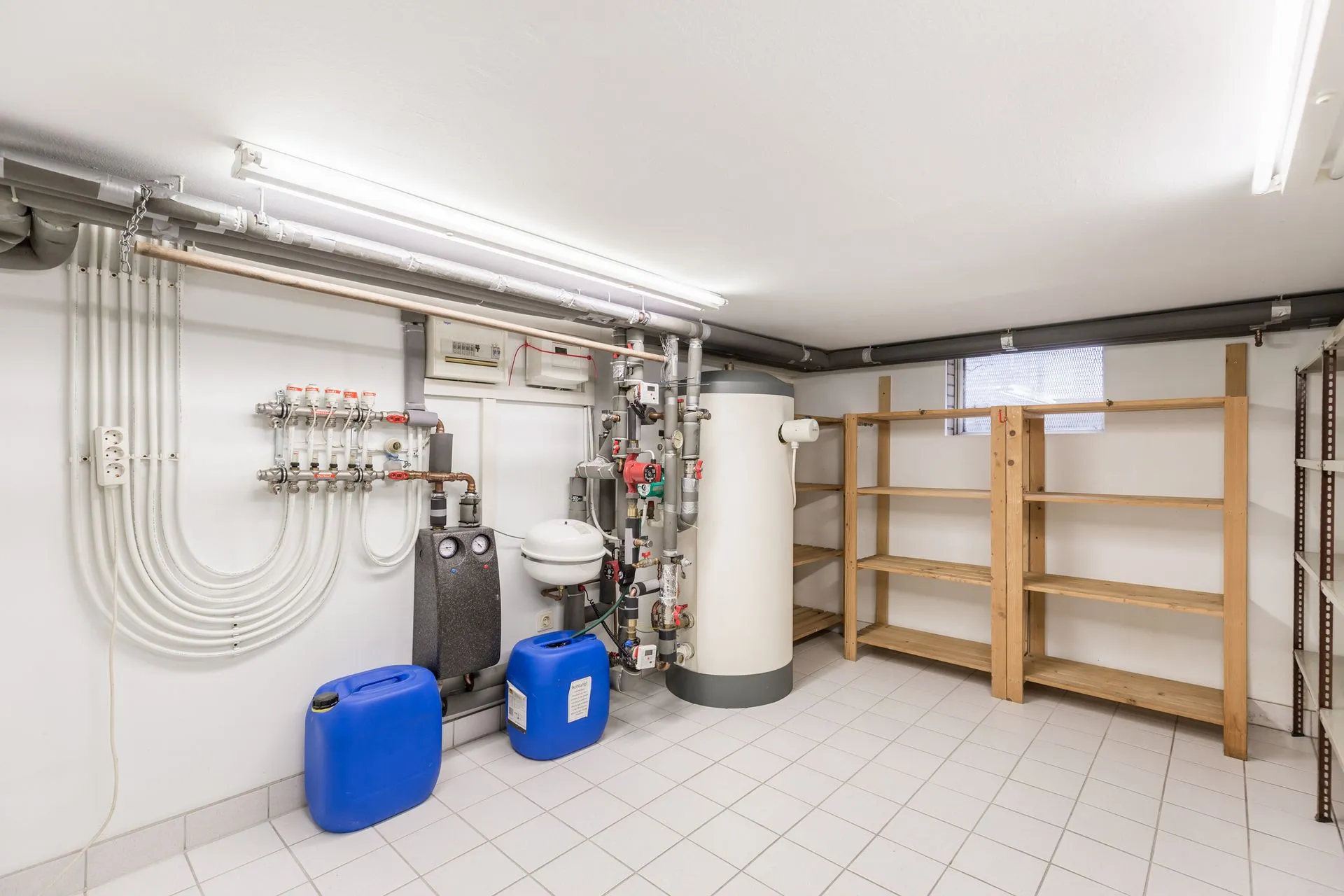
Good HVAC service starts with listening and inspection, then moves through testing, clear recommendations, and the work your system actually needs.
-
01
Observe
Review the reported problem and inspect the HVAC equipment.
-
02
Test
Check relevant system components and operating conditions.
-
03
Identify
Determine which components or conditions are contributing to the issue.
-
04
Explain
Describe the findings in straightforward language.
-
05
Service
Complete the appropriate repair or maintenance work based on the system's condition.
ABOUT
Service You Can Understand
HVAC equipment works as a connected system. Temperature, airflow, humidity, and energy use can all be affected when one component is not performing as it should.
We focus on the reason behind the problem, communicate the findings in plain language, and outline service options that make sense for your home and equipment.
Business
Seaside Comfort AC Repair
Location
Lake Worth Beach, FL.
CONTACT
Ready to Get Your Comfort Back?
Tell us what your system is doing, when the issue started, and which rooms are affected. We can discuss the details and the next practical step for your home.